Water Restoration
Structural drying, monitoring, and controlled demolition when needed to return affected areas to safe, dry conditions after a water event.
Serving Minneapolis, Minnesota & surrounding areas
Fast clean up and repair for leaks, floods, and burst pipes. We document the damage, dry the structure correctly, and rebuild what water ruined so your home can get back to normal.
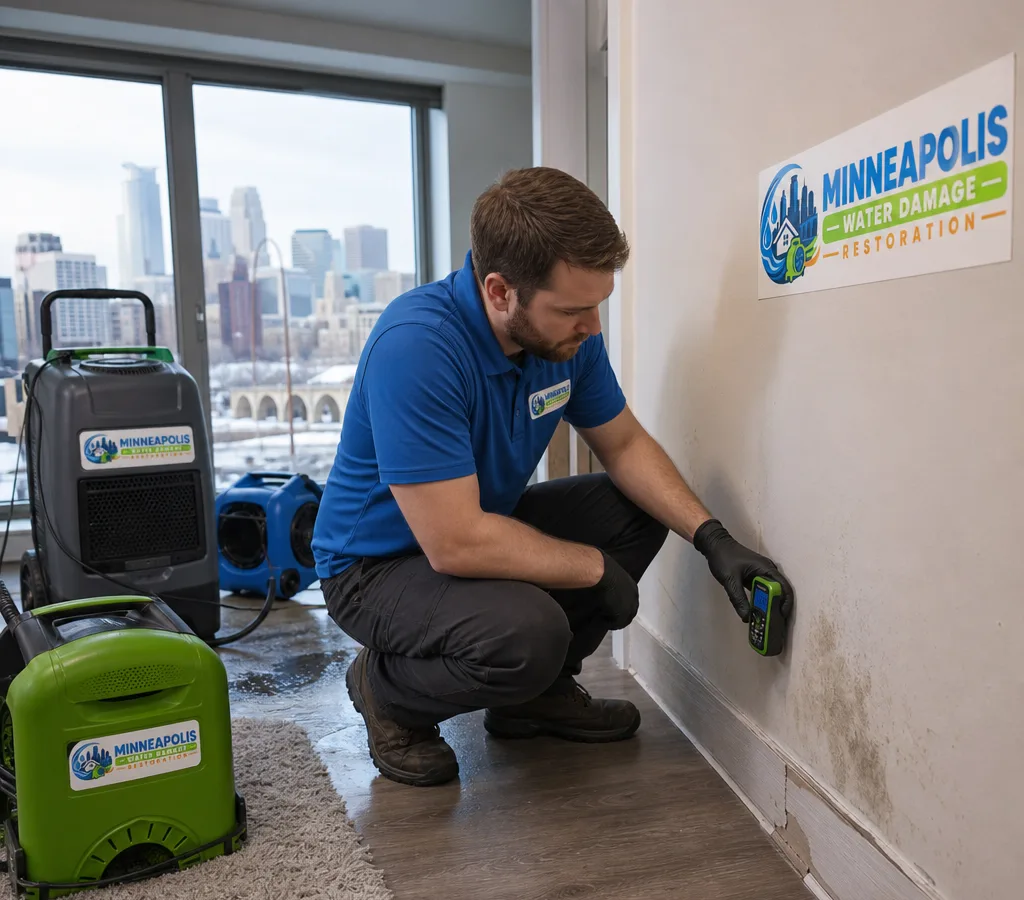
Water moves fast. It wicks into drywall, swells trim, gets under flooring, and can soak insulation and framing. If you are dealing with water damage Minneapolis MN homeowners often see—supply-line leaks, water heater failures, dishwasher overflows, or basement seepage—the first goal is to stabilize the situation. We identify the water source, map moisture with meters and thermal imaging where appropriate, and set up commercial dehumidification and airflow to dry the structure.
After the site is dry and readings are stable, we shift to water damage repair Minneapolis residents need: removing damaged materials, replacing what cannot be saved, and restoring the space so it looks right again. You get clear communication, a written scope, and documentation that helps when you are working with an insurance adjuster. Minneapolis Water Damage Restoration serves Minneapolis, MN 55405 and surrounding neighborhoods with responsive, practical help.
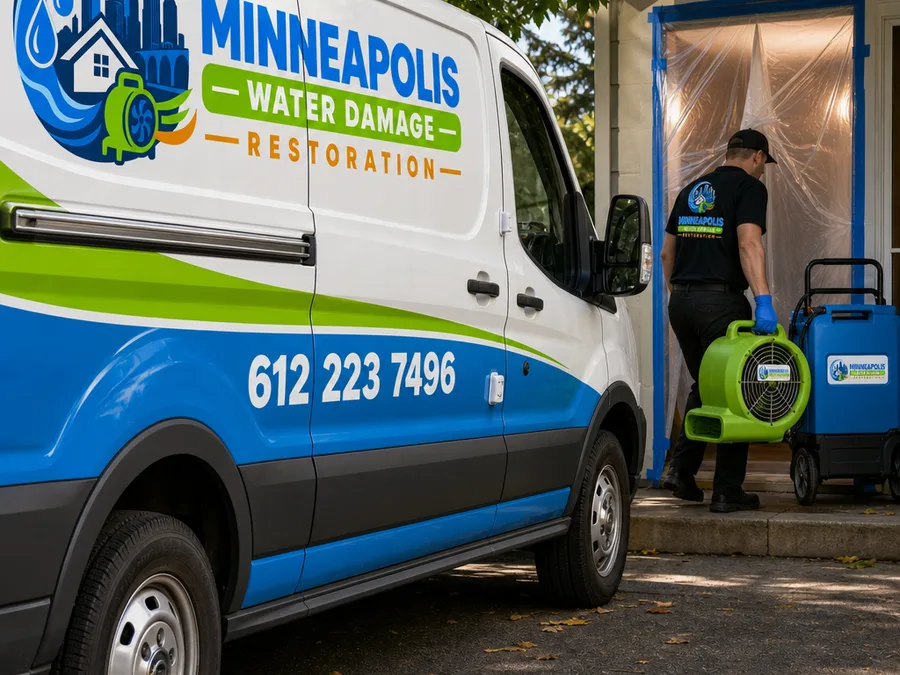
Structural drying, monitoring, and controlled demolition when needed to return affected areas to safe, dry conditions after a water event.
Help comparing restoration options and understanding what a complete recovery plan should include, from drying through rebuild.
Cleanup and recovery after a fire, including debris removal, odor control, and repair planning for affected materials and finishes.
Repair work that puts the home back together after damage, coordinating the rebuild so rooms are finished to a livable standard.
Containment, removal, and cleanup when moisture has led to mold growth, with a focus on preventing cross-contamination during the work.
We measure and document what is wet, what is being removed, and what is being dried so the plan matches the actual damage.
Air movers, dehumidifiers, and targeted drying are set up based on materials and readings, not guesswork.
When demolition or contamination is involved, we isolate the work area to keep dust and debris from spreading through the house.
Drying is only part of the job. We plan the water damage repair with the end result in mind so the rebuild goes smoothly.
Photos, notes, and drying logs are organized so you have what you need when an adjuster asks for details.
We work clean, protect walk paths, and keep you updated on what happens next and what you can expect each day.
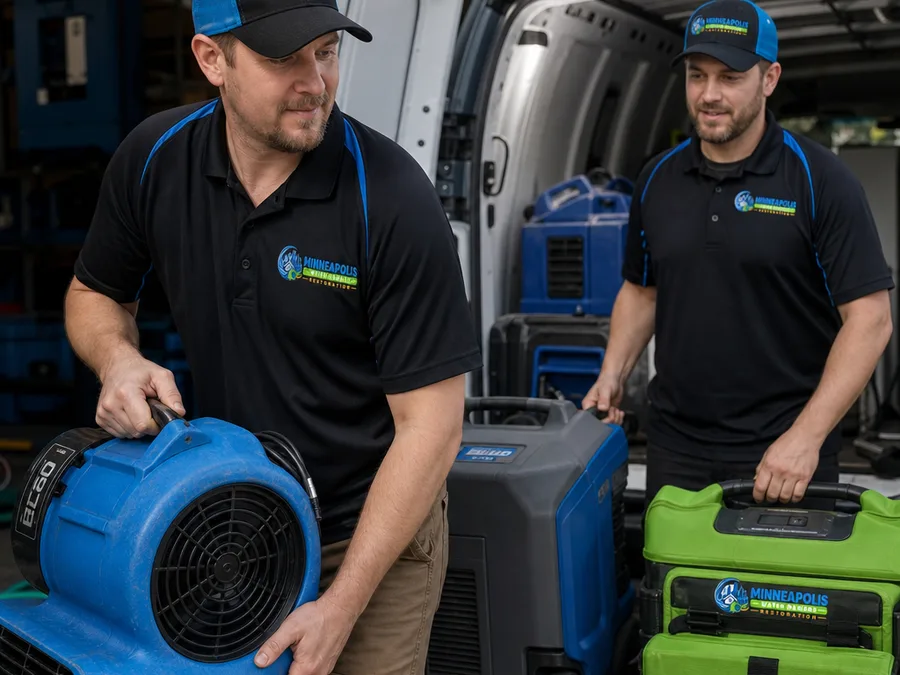
Minneapolis Water Damage Restoration is a local team focused on one thing: getting homes and small properties through water damage with a plan that makes sense. We handle the full arc of the job, from initial assessment and water damage clean up Minneapolis MN property owners need, through structural drying and the repairs that follow.
Our work is rooted in trade basics: finding the wet materials, drying the structure to verified targets, removing what cannot be salvaged, and rebuilding cleanly. If an insurance claim is involved, we help you stay organized with photos, moisture readings, and written scope notes so conversations with the carrier are easier. If it is not a claim, you still get a straightforward explanation of options, tradeoffs, and what the work will look like in your home.
Most water damage repair in Minneapolis typically ranges from about $1,500 to $8,000, with small, contained leaks often closer to $1,500 to $3,000 and larger losses that involve multiple rooms, flooring, or cabinets more like $8,000 to $25,000+.
Final cost depends on how far water traveled, what materials are affected (drywall, hardwood, tile, insulation), how much controlled demolition is needed for drying, equipment run time, and the amount of rebuild and finish work. The exact cost is confirmed after an on-site inspection and moisture mapping.
We locate the origin of the water and help you stabilize the situation so additional damage does not occur.
We photograph affected areas and use moisture meters to define what is wet behind surfaces and under flooring.
If needed, we perform controlled demo of damaged drywall, insulation, baseboards, and flooring to expose wet cavities.
We set air movers and dehumidifiers based on the materials present, then track drying progress with regular readings.
Once dry targets are met, we rebuild the affected areas and complete the water damage restoration so the space is usable again.
If you are seeing staining, warping, bubbling paint, or a musty odor, get an inspection before the damage spreads behind finished surfaces.
Call for Emergency HelpWe handle Minneapolis water damage throughout the city, with experience in a range of housing types, from older basements to newer condos and remodeled single-family homes.
Older multifamily buildings and remodeled units can hide moisture behind plaster, tile, and layered flooring.
Many homes have finished lower levels and wood floors that can cup or buckle quickly after a leak.
A mix of older houses and converted spaces often means varied materials and additions.
Homes near the river corridor often have basements and crawlspaces where seepage or sump issues can affect finished areas.
Larger homes with multiple bathrooms and laundry areas can have more potential supply-line leak locations.
Condos and shared walls require tight containment and clear documentation when water affects adjacent areas.
“We had water under the flooring and didn't know how far it spread. They showed us the moisture readings, explained the drying setup, and kept us updated until it was ready for repairs.
“The scope was clear and the work area stayed clean. The documentation made the insurance side much easier to deal with.
“They found wet drywall we wouldn't have guessed was affected and prevented us from patching over a bigger problem. The repaired areas blend in well.
We prioritize active water situations and time-sensitive drying because the first 24 to 48 hours often determine how much material can be saved. When you reach out, we will ask where the water came from, when it started, and what areas are affected so we can plan the right response.
Yes, we can manage drying and the rebuild so you are not coordinating separate crews. We separate the job into clear phases (stabilize, dry, then repair) so you know what is happening and why.
Yes, we provide photos, notes, and drying documentation that adjusters commonly request. You stay in control of the claim, and we help support the scope with clear records of what was wet, what was removed, and how drying was verified.
We handle common residential sources like burst pipes, supply-line leaks, appliance overflows, roof or window leaks, and basement water intrusion. If contamination is suspected, we will explain the precautions and cleanup steps required before repairs begin.
We verify dryness with moisture meters and track readings over time rather than relying on how surfaces look or feel. Drying is complete when materials reach stable, appropriate moisture levels for the structure and conditions.
Yes, we can inspect and moisture-map around the stain to see if the issue is active and whether water traveled into cavities or under flooring. Catching it early often reduces the amount of demolition and repair needed.
Tell us what happened and what areas are affected. We will walk you through the next steps, inspect and document the damage, and provide a written scope for cleanup, drying, and repairs.